- Carbon markets have ceased to be merely a climate signal and have become a variable of industrial policy and geopolitics.
- International companies and experts agree that the climate transition requires going beyond commitments, opting for real reductions, credible compensation and new investment opportunities such as the blue economy, which is still underfunded despite its high climate potential.
Corporate sustainability is becoming a more strategic discipline, closely linked to the business of large companies. In a context marked by increased regulatory pressure, growing public scrutiny, and greater demands from investors and consumers, companies are moving towards plans based on emissions reduction, high-quality offsetting, and adherence to internationally recognized standards.
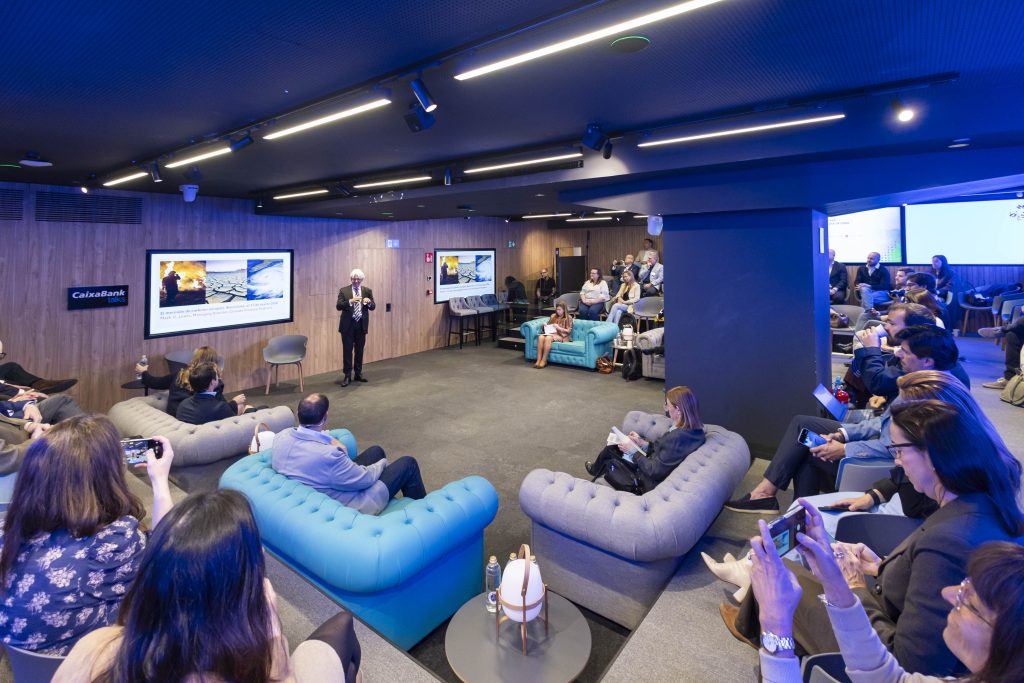
This was one of the key messages that could be heard during the celebration of the day.Promoting sustainability: Spain-UK business dialogue on carbon marketsOrganized by the British Chamber of Commerce in Barcelona last Friday, the conference highlighted that while companies' efforts are focused on reduction, carbon offsetting is gaining traction on the corporate agenda from a strategic and increasingly rigorous perspective.
In this context, Samir Samhan, Director of Sales for Derivatives and Carbon Markets at CaixaBankHe pointed out that the order companies must follow is clear: “first, reduce everything that is technically and economically possible, and then compensate to address Scope 3.” For sectors such as retailWhether in distribution or industry, the focus of sustainability policies is not so much on measuring or reducing one's own emissions, but on mobilizing customers and suppliers to move at the same pace.
“Today, no one disputes the need to reduce emissions; the real challenge lies in how to do so without losing competitiveness and by mobilizing the entire value chain,” he stated. Alex Munujos, director of sustainability Brico Depot.
In this line, Albert Iglesias, director of marketing, innovation and sustainability of Bunzl Distribution SpainHe argued that “sustainability is no longer a matter of purpose, but of business survival. Large companies must lead the way and communicate this to SMEs, which are the backbone of our economy.”
A vision shared by Carla Coloma, global head of sustainability at Fluidra“After years of overexposure to green rhetoric, we now need to better filter messages and data. We must be transparent about gross and net emissions and communicate only what is being done, not what we aspire to do.”

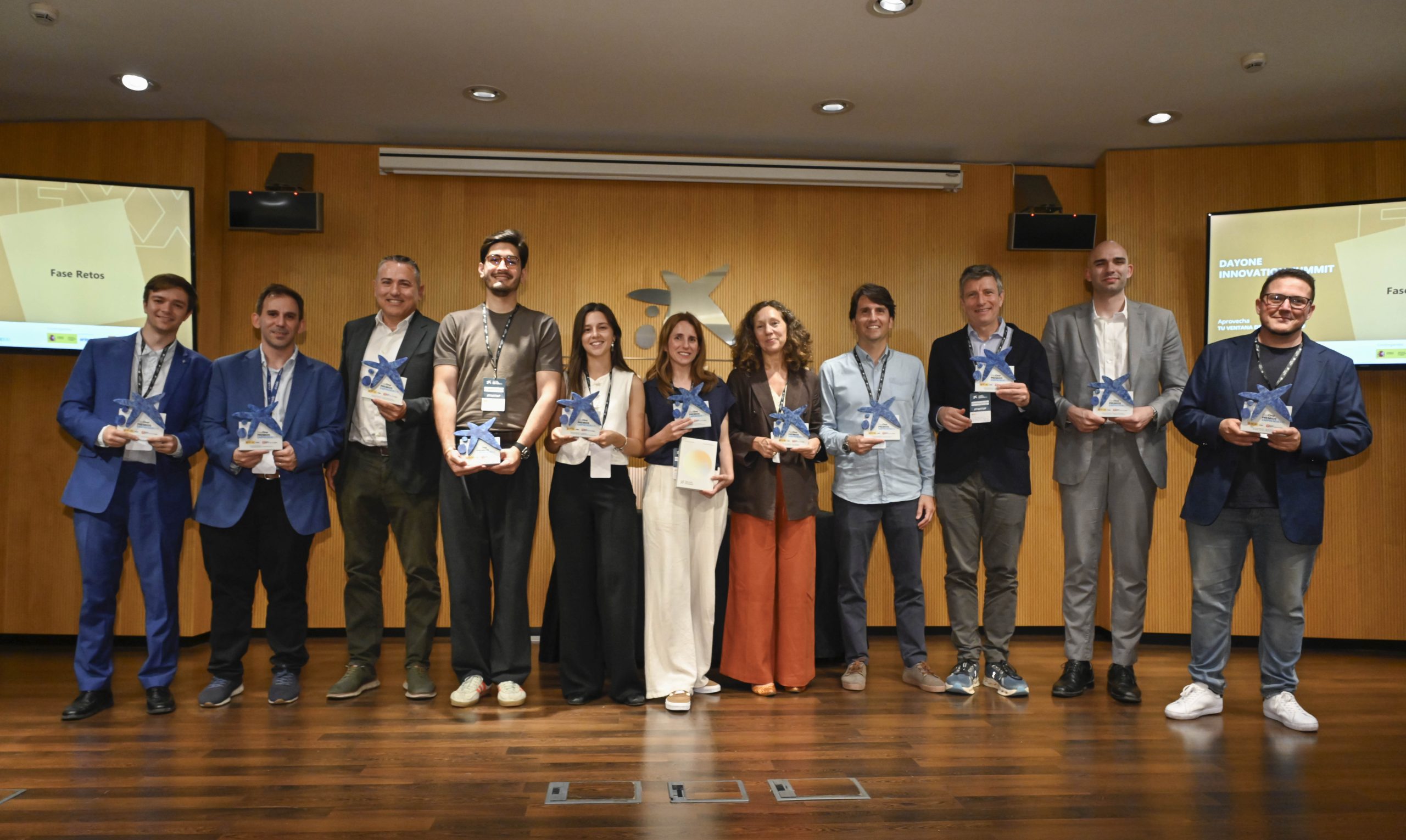
Mark Lewis, CEO of Climate Finance Partners; Marta Díez, member of the Board of Governors of the British Chamber; Laura Byrne, director of the British Chamber; María José Sarrias, head of the Climate Change Office of the Government of Catalonia; Lorena Regueiro, director of All in One at CaixaBank; Elvira Carles, director of the Business and Climate Foundation; and Albert Iglesias, spokesperson for the Sustainability Committee of the British Chamber.
The carbon market is consolidating as a financial asset and business opportunity for companies
So much Mark LewisCEO Climate Finance Partners, and Elvira Carles, director of the Business and Climate FoundationThey agreed that the price of carbon has ceased to be merely a climate signal and has become a central variable in industrial policy and geopolitics. “Europe has gone further and faster than the rest of the world, and that has a real impact on the competitiveness of its industry.”
Both agreed that European leadership has short-term costs, as it is forcing a global convergence of carbon markets, consolidating CO₂ as a key economic asset in business and investment decisions.
From CFP Energy, its country manager, Marta Diez He highlighted that “despite geopolitical uncertainty and tensions in energy markets, emissions trading systems continue to expand globally.” There are currently 41 ETSs in operation, covering 26% of global emissions and representing 63% of global GDP. New systems will be launched in Japan, India, and Vietnam in 2026, while existing systems are increasing their ambition and are already present in 14 G20 countries. In 2025, these mechanisms generated a record $80.000 billion, solidifying their position as one of the most cost-effective tools for reducing emissions and meeting the Paris Agreement.
Compensation standards: the foundation of market integrity
In an increasingly demanding market, carbon standards play a central role in ensuring the integrity of offsetting. International organizations, such as Will see y BioCarbonIt was emphasized that a quality standard rests on four fundamental pillars: independent auditing, sound scientific methodologies, traceable records, and clear standards on additionality, permanence, and social and environmental safeguards.
“A carbon standard is like a table with four legs: if one fails, the integrity of the system suffers,” they explained. Media criticism of certain past projects, they added, has served as a catalyst for updating methodologies, strengthening controls, and diversifying project types, expanding the offering to include more robust and varied solutions.

Blue economya great untapped business potential
Another of the most important messages of the meeting was the importance of the blue economy (Blue Economy) as a strategic business opportunity. Marine and coastal ecosystems store large amounts of carbon and provide additional benefits in climate change adaptation, biodiversity, and protection against climate risks.
“The blue economy is clearly underutilized in climate action,” he noted. Martin Koehring, director of the Center for Private Finance for Development ODI Global“These ecosystems are among the richest in carbon on the planet, yet they receive minimal investment. The challenge is not a lack of opportunities, but rather transforming them into financially structured and scalable projects.”
In this regard, the need to connect carbon markets with real investment in assets was emphasized. blue economyHe also highlighted Spain, due to its extensive coastline and high exposure to climate change, as a country with a unique strategic opportunity to lead in this area if it manages to align credit demand, robust standards, and long-term investment.
The meeting made it clear that corporate climate action has entered a phase of greater technical and strategic rigor. In this new scenario, carbon is consolidating itself as a key economic variable—with regulatory, financial, and geopolitical implications—and opening up new opportunities, such as the blue economy, to channel investment toward real assets with high climate and territorial impact.