Spain is home to 143 British schools spread across 180 campuses—more than France, Italy, and Portugal combined—with places for 75.000 students, mostly Spanish.
These centers generate a positive impact at the local level, creating jobs, boosting the economy, and acting as cultural bridges.
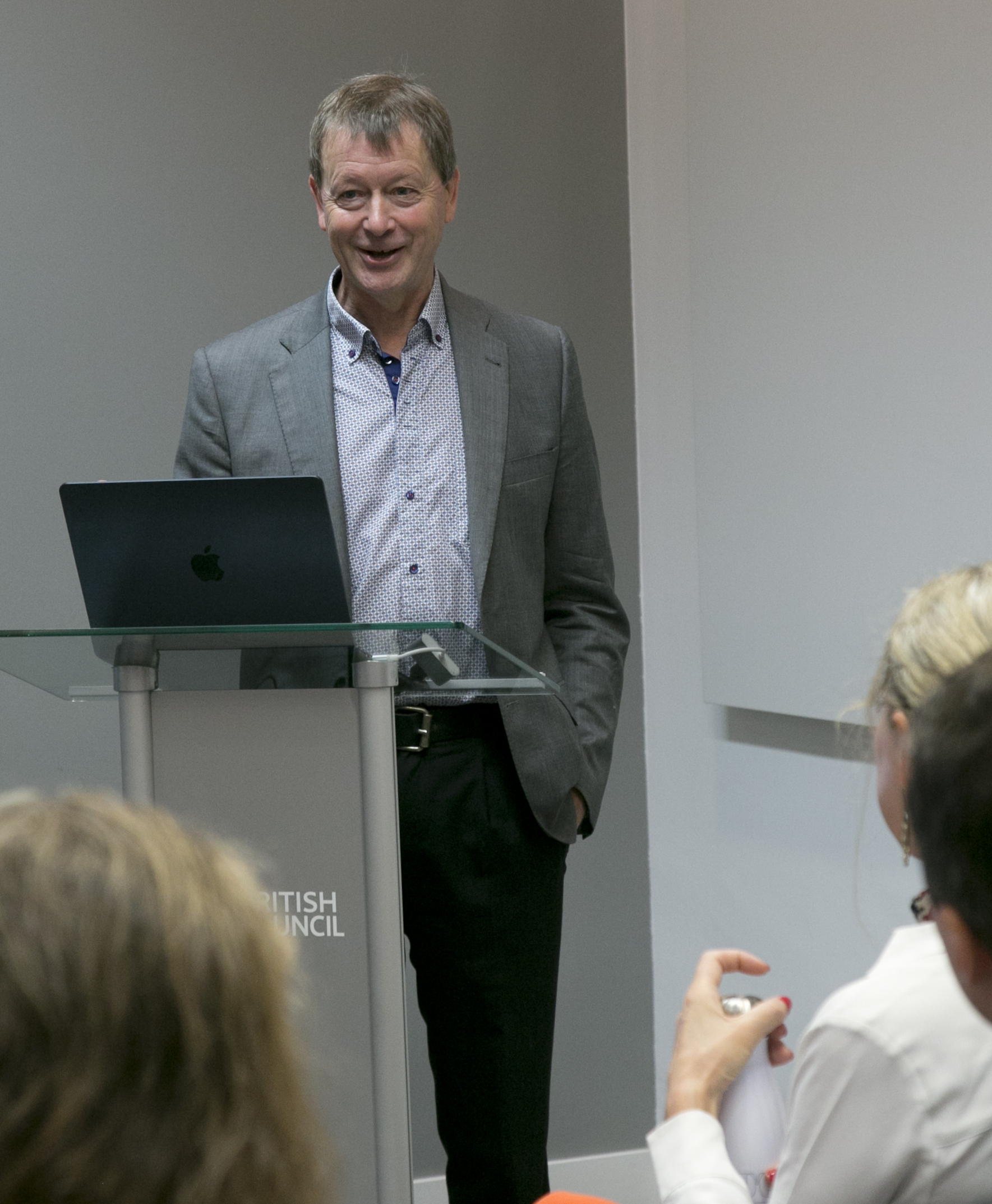
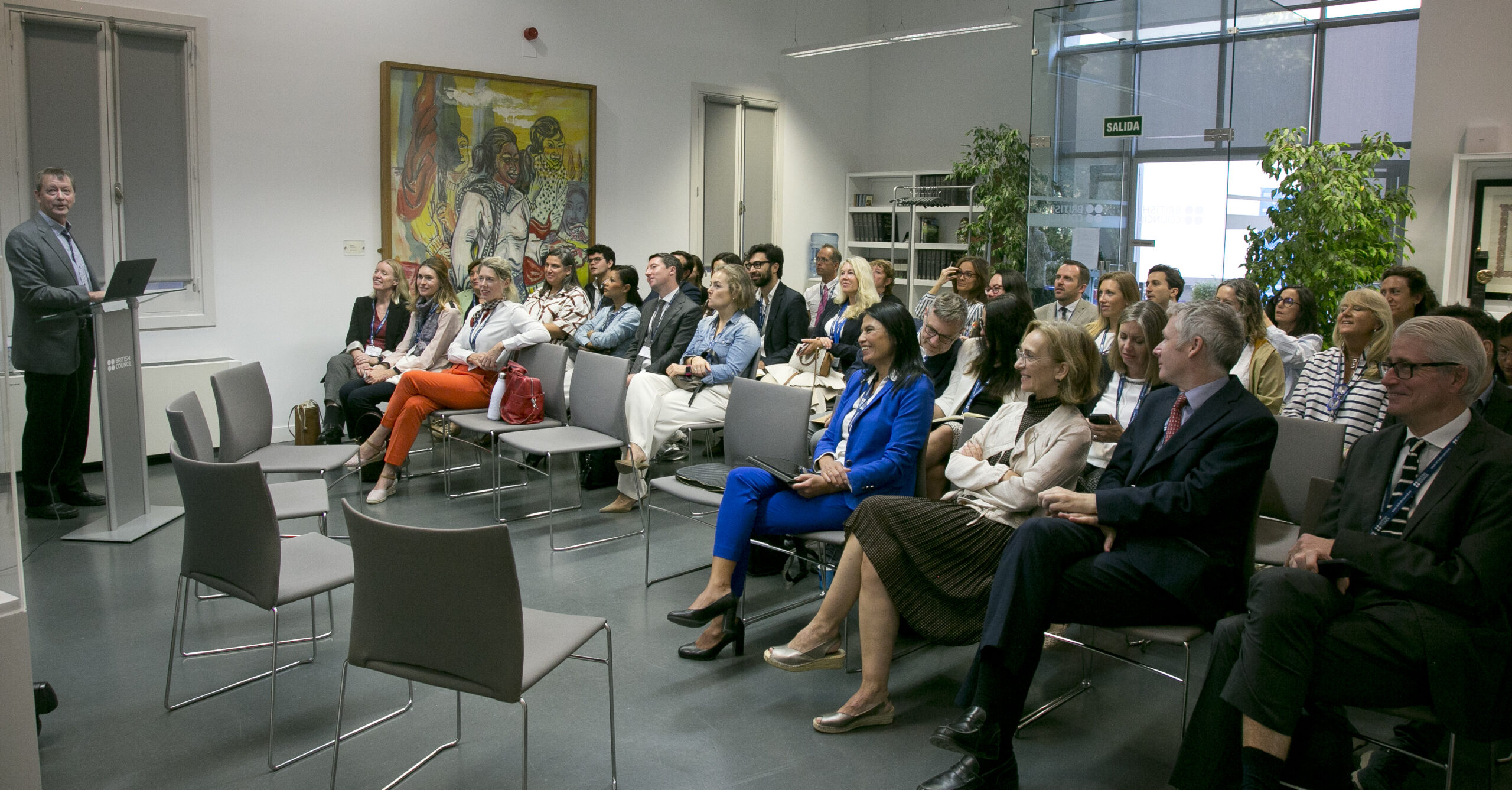
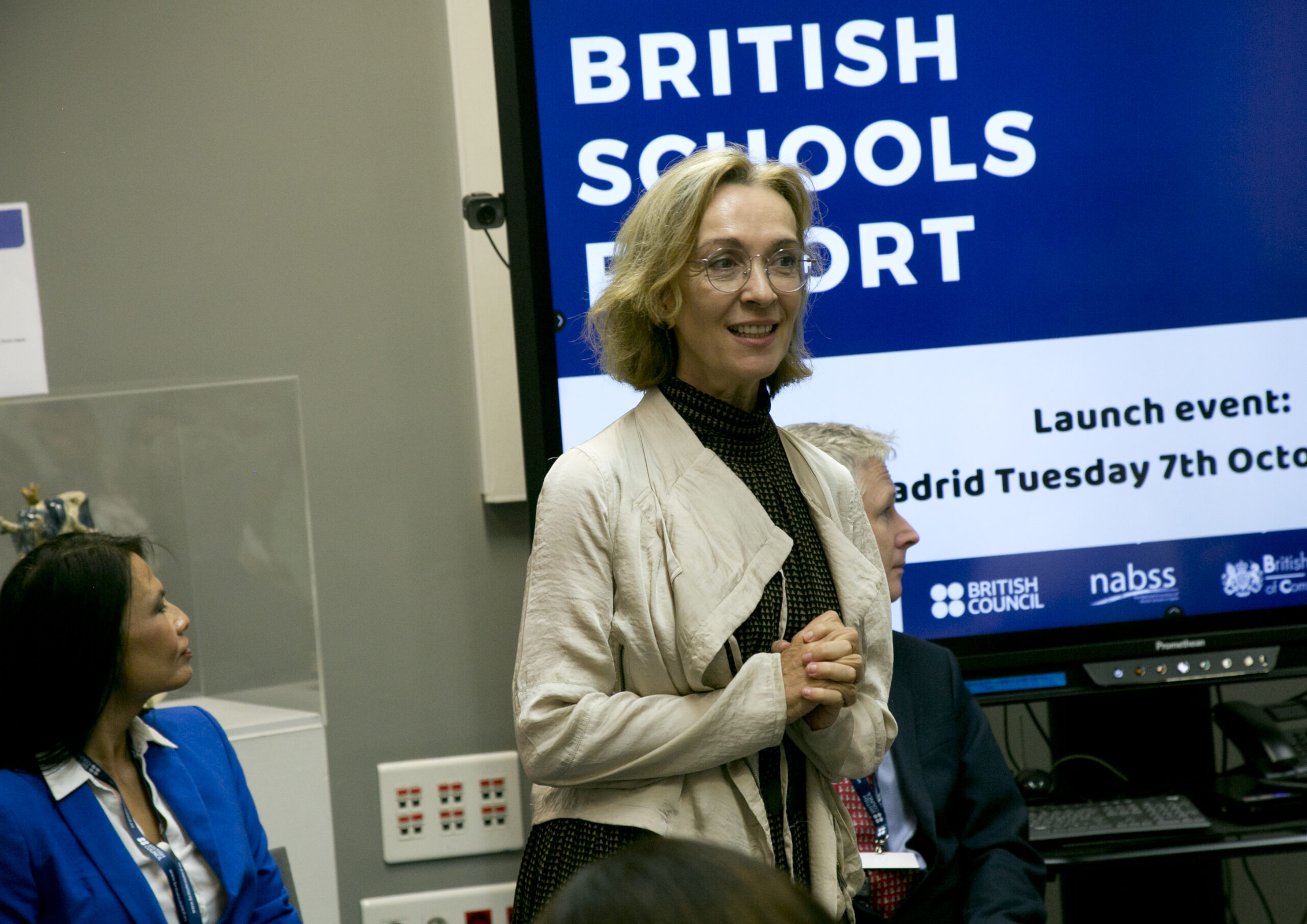
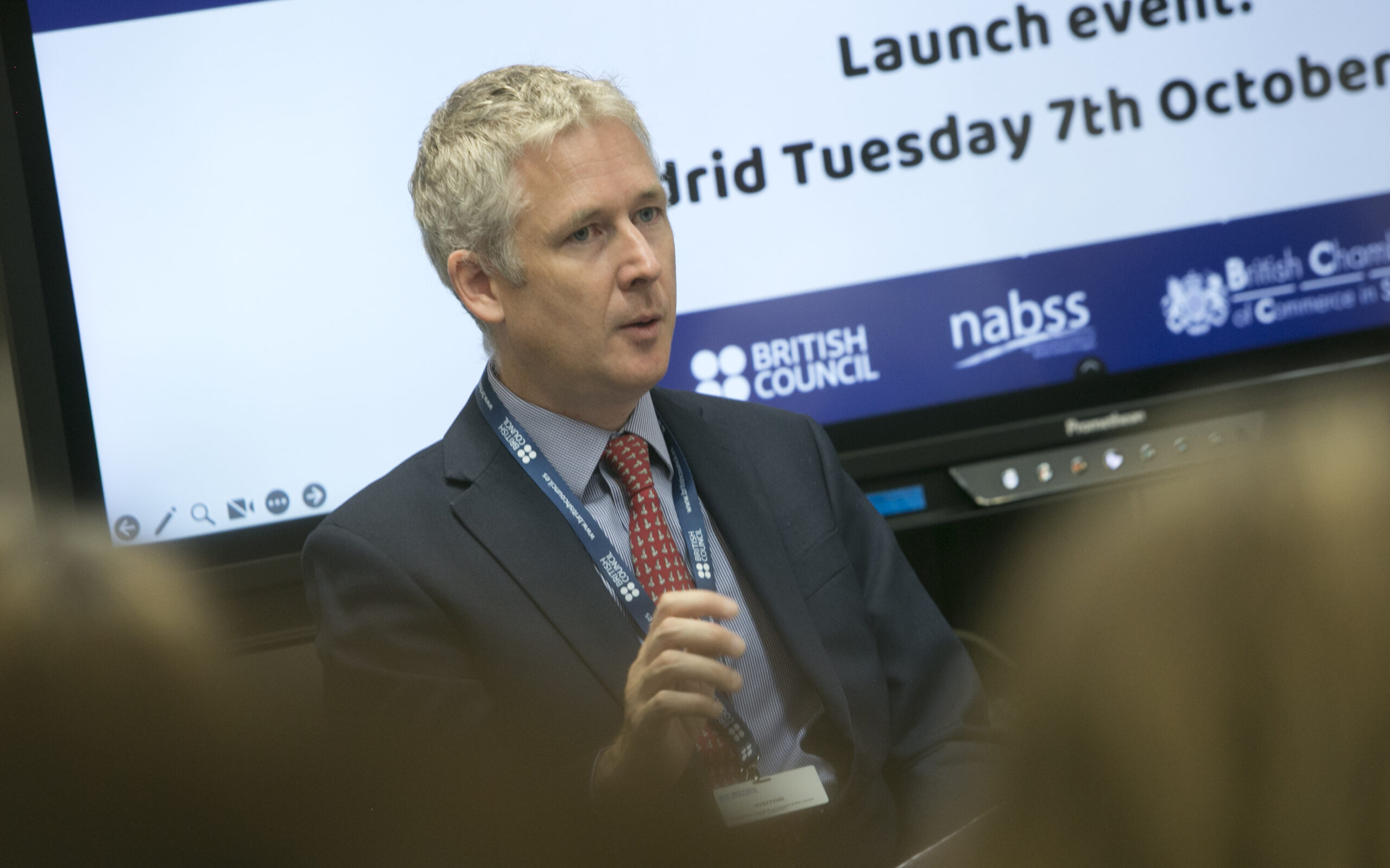
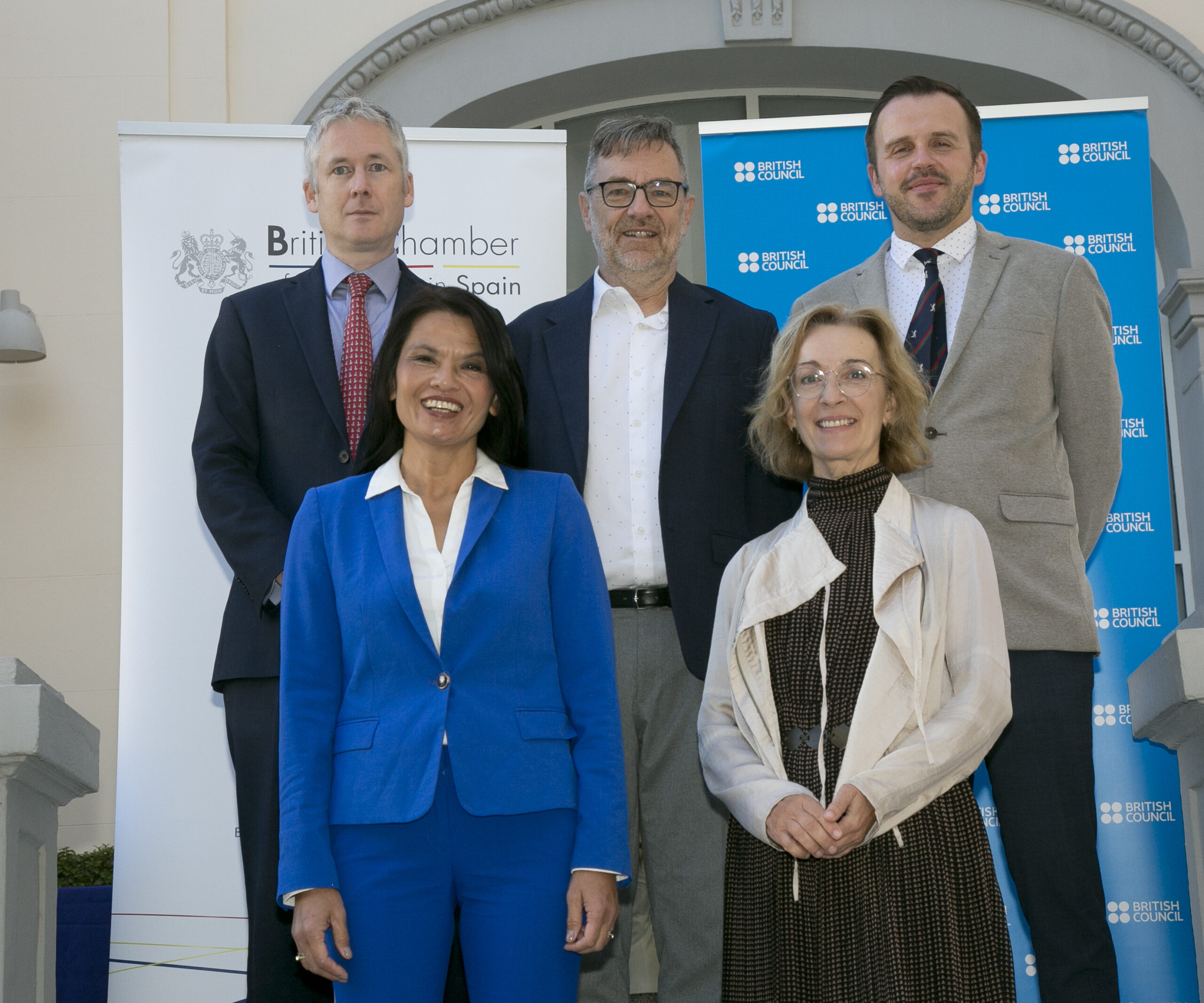
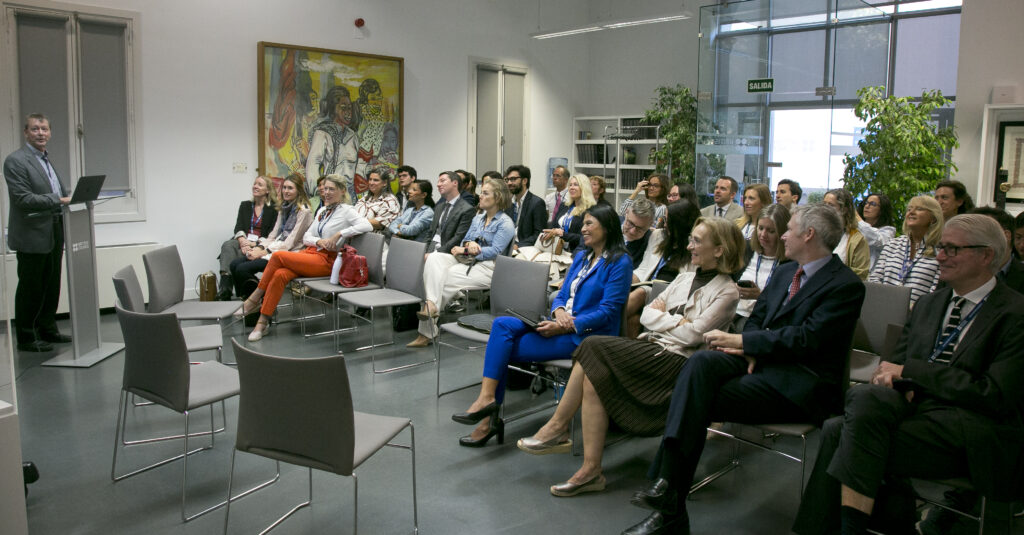
El British Council, the UK's organisation for cultural relations and educational opportunities, hosted the presentation of the report today at its headquarters in Martínez Campos (Madrid). British Schools in Spain 2024–25, produced by ISC Research and jointly funded by the British Council, the National Association of British Schools in Spain (NABSS) And British Chamber of Commerce in SpainThe study confirms that Spain is the European country with the largest number of British schools and analyzes their contribution in educational, social, and economic terms.
With 143 colleges spread across 180 campuses(1) —More than France, Italy, and Portugal combined— British schools represent over 40% of all international educational offerings in Spain and educate some 75.000 students. Although they are international schools by definition, the report highlights the high number of Spanish students, which reaches 87% of the total. In the last five years, the number of schools has increased by 7% and the number of students by 16%, consolidating their presence in the national educational landscape and their appeal to both local and international families.
The report notes that British schools are not only characterized by their academic excellence and rigorous curriculum, based on international qualifications such as GCSEs (British exams at the end of compulsory education) and A-Levels (university entrance exams recognized in the United Kingdom and other countries), but also by the positive impact they have on their immediate surroundings. These schools create stable employment, attract highly qualified international teachers, and contribute to enriching the human capital of the communities where they are located. The presence of families linked to the schools increases the demand for housing, services, and businesses, while the schools themselves contract local suppliers to cover needs such as transportation, food, and supplies, with a direct impact on the local economy.
Beyond the economic benefits, British schools act as cultural and social bridges, fostering integration between local and expatriate communities and participating in charitable, cultural, and sports initiatives. They also contribute to strengthening the linguistic capital of cities and consolidating their international reach, with particular emphasis on centers such as Madrid, Valencia, Barcelona, and Marbella.
On the pedagogical level, the report confirms that these schools promote skills such as critical thinking, creativity, and collaboration, considered by organizations such as UNESCO and the World Economic Forum as essential for the future workforce. These qualities place their students in a privileged position to access universities in Spain, the United Kingdom, and other countries.
"This report provides a snapshot of the role of British schools in Spain and shows that their contribution goes beyond academic excellence. The data demonstrates how they generate employment, energize cultural life, and strengthen bilingualism, consolidating their position as actors transforming their communities and strengthening ties between Spain and the United Kingdom." notes Carolina Jimenez, Director of Education at the British Council Spain.
According to Adrian Massam, President of NABSS, "For decades, British schools in Spain have been committed to an education that combines academic rigor with personalized attention. This model fosters comprehensive student development and prepares them to successfully face the challenges of a constantly changing global environment.
For his part, the national vice president of the British Chamber, Stuart Donnelly, has stressed that “These centers not only generate qualified employment, but also attract foreign investment and contribute to positioning Spain as a strategic destination for international educational projects.".
Future opportunities
The report indicates that British schools in Spain face a horizon of growth and consolidation. Among the main opportunities is the possibility of expanding and diversifying multilingual programs, incorporating high-demand languages such as Mandarin and German, which would attract an even more diverse student body and respond to the needs of a globalized world. Likewise, the integration of sustainable practices and the promotion of digital innovation in the classroom reinforce these schools' commitment to 21st-century education and preparing students for the challenges of the future. Furthermore, strengthening alliances with Spanish educational institutions and collaborating with local and national authorities are presented as key to ensuring sustainability, recognizing the schools' good work, and strengthening local and national education by comparing best practices and incorporating those that can improve either model.
The British Council, representing the British government, certifies that British schools in Spain meet the quality standards established by the British Department for Education. Inspections are carried out by British inspection bodies that assess the standards set by the Department for Education for British schools outside the United Kingdom, which gives confidence to authorities and families. However, it is the Ministry of Education and/or the Regional Governments that have the authority to authorize these schools.